Slip and Fall Accidents on Wet Floors: Legal Liabilities in West Palm Beach
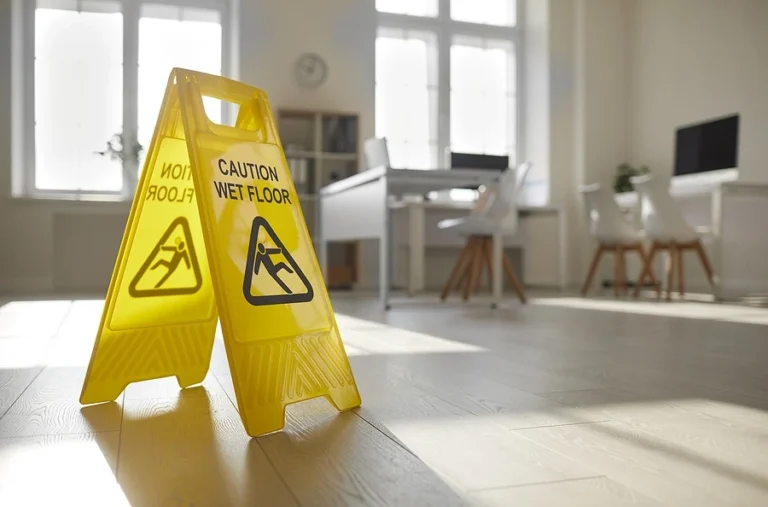
Slip and fall accidents are among the most common causes of injuries in West Palm Beach. Many of these accidents happen on wet floors, whether in stores, restaurants, office buildings, or public spaces. While some slips may seem minor, they can lead to serious injuries such as broken bones, head trauma, or back injuries. Knowing the legal responsibilities of property owners and your rights as a victim is important if you experience a slip and fall.
Common Causes of Wet Floor Accidents
Wet floor accidents can occur in many settings. In retail stores, spills from beverages, cleaning activities, or rainwater tracked in from entrances are frequent culprits. Restaurants often face wet floors due to mopping or accidental spills. Office buildings can also be hazardous when rainwater, leaks, or condensation create slippery conditions. Public spaces such as sidewalks, parking garages, and community centers are not immune to these risks.
Many wet floor accidents are preventable. Proper signage, prompt cleanup, and routine maintenance can reduce hazards. When property owners fail to take these precautions, they may be held legally responsible for injuries that occur.
Understanding Legal Liability
Property owners in West Palm Beach have a legal duty to maintain safe conditions for visitors. This duty applies to businesses, homeowners, landlords, and in some cases, government entities. The law distinguishes between invitees, licensees, and trespassers. Invitees, such as customers or clients, are owed the highest level of care. Licensees, such as social guests, are owed reasonable care, while trespassers receive limited protection.
If a slip and fall happens on a wet floor, a property owner may be liable if they knew or should have known about the hazard and failed to address it. A store that ignores a spilled liquid for an extended period or a property manager who fails to fix leaks could be considered negligent.
Proving Negligence in Slip and Fall Cases
To pursue a personal injury claim, victims must demonstrate four elements of negligence:
- Duty of Care: The property owner had a legal obligation to keep the area safe.
- Breach of Duty: The owner failed to meet that obligation, such as neglecting to clean a spill or post warning signs.
- Causation: The wet floor directly caused the injury.
- Damages: The accident resulted in physical, financial, or emotional harm.
Evidence is crucial. Photos of the wet floor, witness statements, surveillance footage, and maintenance records all strengthen a case. In some situations, expert testimony may help show that the property owner’s actions fell below acceptable standards.
Comparative Negligence in Florida
Florida follows a comparative negligence system. If a victim contributed to the accident, such as by not paying attention or wearing improper footwear, compensation may be reduced proportionally. For example, if a court finds the property owner 70% at fault and the victim 30% at fault, the total damages awarded are reduced by 30%. Understanding comparative negligence is important when evaluating the strength of a claim.
The Importance of Prompt Action
Time matters after a slip and fall accident. Victims should seek medical attention immediately, even for seemingly minor injuries. Early documentation ensures that medical records accurately reflect the impact of the fall.
It is also important to report the incident to the property owner or manager right away. This creates an official record and helps establish a timeline. Collecting witness information and photographing the hazard is equally critical.
Hiring a Local Personal Injury Lawyer
Navigating slip and fall claims can be complex. A personal injury lawyer in West Palm Beach can make a significant difference. Lawyers help gather evidence, communicate with insurance companies, and negotiate settlements.
Experienced attorneys can also assess whether a property owner’s actions rise to the level of gross negligence, which can affect compensation amounts. Legal representation ensures victims’ rights are protected, especially if insurance companies delay or deny claims.
Potential Compensation for Wet Floor Injuries
Victims may be entitled to several types of compensation, depending on the circumstances:
- Medical expenses: Hospital bills, doctor visits, physical therapy, and medication.
- Lost wages: Income lost while recovering.
- Pain and suffering: Compensation for physical discomfort and emotional distress.
- Property damage: Repair or replacement of personal items damaged during the fall.
The total compensation varies based on injury severity, negligence, and unique case factors.
Preventing Wet Floor Accidents
Property owners have a responsibility to reduce risks. Preventive measures include:
- Promptly cleaning spills and wet areas
- Using visible warning signs
- Regularly inspecting floors, entrances, and common areas
- Maintaining proper drainage and addressing leaks immediately
These steps significantly reduce the likelihood of accidents and legal liability.
Conclusion
Slip and fall accidents on wet floors can lead to serious injuries and financial burdens. Property owners in West Palm Beach are legally responsible for maintaining safe environments, and failure to do so can result in liability. Victims should document the incident, seek prompt medical care, and consult a local personal injury lawyer to protect their rights. Acting quickly and understanding the legal framework can make a critical difference in obtaining fair compensation and holding negligent property owners accountable.

John Pape is the Managing Partner at Weston & Pape and has more than 30 years of experience representing injured clients across Florida. A summa cum laude graduate of the University of Miami School of Law, he has devoted his entire career to personal injury cases, including motor-vehicle accidents, wrongful death, and nursing-home neglect. Recognized by Verdict7, The National Trial Lawyers Top 100, and Premier Lawyers of America, John is known for his thorough preparation and commitment to achieving meaningful results for his clients.

 Call Us Today - It's Free