Property Owner Responsibilities in West Palm Beach Slip and Fall Cases
Slip and fall incidents happen more often than many people realize. In a busy place like West Palm Beach, property owners have a constant responsibility to keep their spaces reasonably safe for visitors, tenants, and customers. When hazards go unaddressed, injuries follow. Many victims are left with medical bills, missed work, and months of physical recovery. What often goes unnoticed is how property owner decisions, maintenance habits, and safety practices play a major role in preventing or contributing to these accidents.
Understanding this responsibility is essential for anyone involved in a slip and fall claim. Whether the incident occurred at a shopping center, apartment building, grocery store, or office, the central question remains the same. Did the property owner take reasonable steps to prevent foreseeable harm? That question shapes every part of a personal injury case.
Why Property Owner Responsibility Matters
Personal injury cases involving slip and fall injuries hinge on one core issue. Florida law requires property owners to maintain safe premises for those who are legally on their property. This duty applies to businesses, landlords, and homeowners. When they fail to meet that duty, the law may hold them responsible for resulting injuries.
The concept is simple, but the application can be complicated. Property owners do not have to eliminate every possible hazard. They do, however, need to act reasonably. That means taking steps that a responsible person would take under similar circumstances.
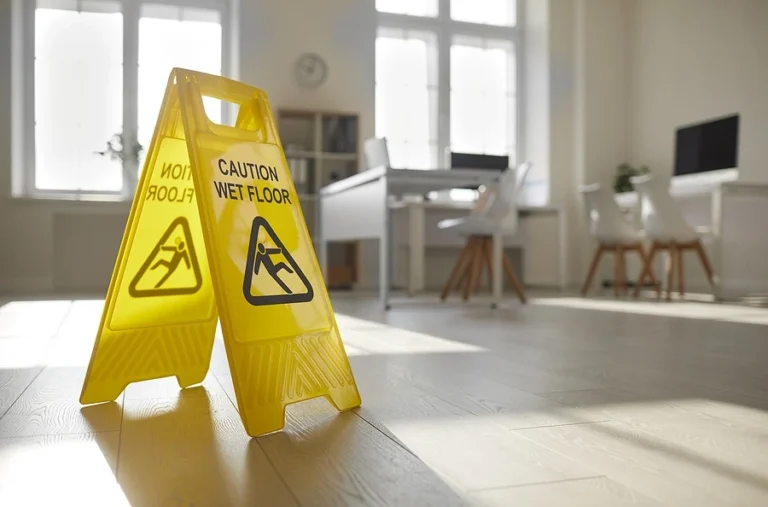
For example, a grocery store may not be able to prevent every spill. However, it can follow a consistent inspection schedule, train employees to respond quickly, and place warning signs when a spill occurs. If the store fails to follow these simple measures, and someone falls because of a wet floor, the store may be considered negligent.
Common Hazards Created or Ignored by Property Owners
Slip and fall cases vary widely, yet the same types of hazards appear again and again. These conditions often signal that a property owner was not meeting their obligations.
Wet or Slippery Floors
Water, cleaning solutions, or leaks can create dangerous surfaces. Property owners should act promptly when these hazards appear. Failure to clean spills, repair leaks, or place warning signs can easily lead to injuries.
Uneven Walkways
Sidewalks, parking lots, cracked surfaces, and loose tiles create tripping risks. Many property owners delay repairs or allow surfaces to deteriorate over time. These decisions increase the likelihood of a fall.
Poor Lighting
Lighting is more important than many people realize. Dim hallways, dark stairwells, and poorly lit parking lots make hazards difficult to see. Property owners who fail to maintain lighting equipment or replace bulbs invite preventable accidents.
Obstacles and Clutter
Loose cords, merchandise in walkways, broken handrails, and unsecured floor mats all create avoidable dangers. Routine inspections should identify these issues, and property owners should correct them quickly.
Weather-Related Hazards
Although West Palm Beach does not deal with ice or snow, heavy rain can create slippery entrances, puddles, and water accumulation in commercial spaces. Property owners must anticipate these conditions and respond appropriately.
Structural Failures
Damaged steps, unstable railings, and loose flooring can cause severe injuries. These issues usually indicate long-term neglect rather than momentary carelessness.
Each of these hazards can support a negligence claim when the victim can show that the property owner knew or should have known about the condition and failed to fix it.
The Importance of Actual and Constructive Knowledge
To hold a property owner legally responsible, the injured person must show that the owner had actual or constructive knowledge of the dangerous condition.
Actual knowledge means the owner was directly aware of the hazard. For example, a tenant may have reported a leak in an apartment hallway weeks before someone slipped. If management did nothing, they clearly knew about the risk.
Constructive knowledge means the owner should have known about the hazard because it existed long enough that a reasonable inspection would have uncovered it. This concept is common in slip and fall cases involving grocery stores and big-box retailers. If a spill has been on the floor for twenty minutes with employees walking by, the store may be responsible even if no one explicitly reported it.
This distinction matters because it determines whether the accident was truly unavoidable or a result of negligence. The law does not expect property owners to react instantly, but it does expect them to act responsibly.
How Negligent Maintenance Leads to Injuries
Regular maintenance is a core part of property safety. When owners ignore repairs or delay upkeep, hazards accumulate. Over time, minor issues become serious dangers.
For example, consider an apartment complex with a broken exterior light. At first, the area may be dim but still passable. Over several months, the light becomes completely nonfunctional, leaving tenants to navigate steps or walkways in darkness. Falls become predictable. In this situation, the owner did not create the hazard in a single moment but allowed it to develop through neglect.
Commercial properties face similar issues. High foot traffic, constant deliveries, and heavy use of walkways increase wear and tear. Property owners must stay ahead of these risks. Failure to schedule inspections, repair flooring, or update safety equipment can place customers at unnecessary risk.
The Role of Employee Training in Preventing Incidents
Many slip and fall hazards arise simply because employees are not trained to handle them. Property owners must ensure staff know how to identify, report, and correct dangerous conditions.
Poor training often leads to:
- Spills left unattended
- Warning signs used incorrectly
- Blocked walkways
- Improper handling of cleaning chemicals
- Failure to notify management about hazards
When businesses rely on employees to maintain safety but fail to train them, the result can be widespread carelessness. This oversight is another factor that can support a negligence claim.
Why Documentation Is Critical After a Slip and Fall
Victims often feel shocked after a fall. Pain and embarrassment take over, and many people leave the scene quickly. Unfortunately, this can make it harder to prove the property owner’s negligence later.
Proper documentation helps strengthen the claim. This includes:
- Photographs of the hazard and injuries
- Statements from witnesses
- Incident reports filed with the property owner or manager
- Medical records that connect injuries to the fall
Property owners sometimes attempt to deny the existence of a hazard after the fact. Clear documentation preserves what happened and protects the injured person’s ability to pursue compensation.
How Comparative Fault Can Affect Slip and Fall Claims
Florida follows a modified comparative negligence system. That means the injured person’s compensation may be reduced if they share responsibility for the accident. For example, someone who was texting while walking might be considered partially at fault.
Property owners often use this rule to argue that a victim should have noticed the hazard. Skilled legal guidance can help counter these arguments by showing that the owner’s negligence was the primary cause of the fall.
Recoverable Damages for Slip and Fall Victims
A slip and fall injury can affect every part of a person’s life. Victims may be entitled to compensation for:
- Emergency treatment
- Ongoing medical care
- Physical therapy
- Lost wages
- Reduced earning ability
- Pain and suffering
- Long-term mobility challenges
Some injuries heal quickly. Others linger for years. Many victims face financial stress on top of physical and emotional difficulties. Holding negligent property owners accountable helps them recover the support they need.
When to Speak With a Personal Injury Lawyer
Slip and fall cases can be complex, especially when property owners dispute responsibility. An attorney can investigate the incident, gather evidence, and determine whether the owner failed to uphold their legal duty.
Early legal help also protects the victim’s rights. Evidence disappears quickly. Surveillance footage is often overwritten. Witnesses forget key details. A lawyer can step in and secure the information necessary to build a strong claim.
Conclusion
Property owners play a crucial role in preventing slip and fall accidents in West Palm Beach. Their choices, maintenance practices, and response to hazards directly affect visitor safety. When they fall short and someone gets hurt, victims have legal options.
A well-supported claim can help cover medical costs, replace lost income, and ease the stress that follows an unexpected injury. No one should have to struggle alone after a preventable fall. Understanding how property owner responsibilities apply to your situation is the first step toward protecting your rights.

John Pape is the Managing Partner at Weston & Pape and has more than 30 years of experience representing injured clients across Florida. A summa cum laude graduate of the University of Miami School of Law, he has devoted his entire career to personal injury cases, including motor-vehicle accidents, wrongful death, and nursing-home neglect. Recognized by Verdict7, The National Trial Lawyers Top 100, and Premier Lawyers of America, John is known for his thorough preparation and commitment to achieving meaningful results for his clients.

 Call Us Today - It's Free