How Weather Conditions Influence Accident Liability in West Palm Beach
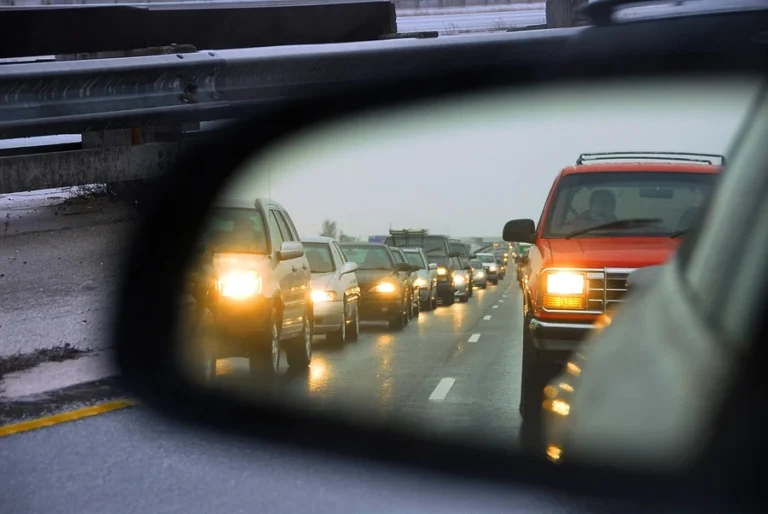
Accidents can happen anytime, but certain weather conditions in West Palm Beach make them more likely. From sudden rain showers to hurricane season, understanding how weather affects accident liability can help victims protect their rights and navigate insurance claims. Weather doesn’t just create hazards; it can also influence who is legally responsible for an accident.
Rain and Slippery Roads
West Palm Beach is known for frequent rain, especially during the summer months. Wet roads reduce traction, increasing the risk of vehicle accidents and slip and fall incidents. Drivers who fail to adjust their speed for wet conditions can be considered negligent. Even experienced drivers may misjudge stopping distances, but the law still expects everyone to exercise reasonable care.
Property owners also have a duty to maintain safe conditions during rain. Parking lots, sidewalks, and entryways must be reasonably safe. If a business fails to clear puddles or post warnings about slippery areas, they may be held liable for injuries. In Florida, comparative negligence may apply, meaning fault can be shared between the injured party and the property owner depending on the circumstances.
Hurricanes and Severe Storms
West Palm Beach residents are familiar with hurricane season. High winds, flooding, and falling debris can create dangerous conditions for drivers and pedestrians alike. During extreme weather, courts may consider whether individuals took appropriate precautions. For example, leaving a vehicle parked under a tree during high winds could be viewed as negligent. Businesses and municipalities may also face liability if they fail to secure hazards or provide adequate warnings during storms.
Insurance claims in hurricane-related accidents can become complicated. Drivers may be covered under comprehensive auto insurance for damages caused by fallen trees or flooding. Injured pedestrians or property visitors may need to show that property owners neglected safety measures, such as maintaining loose objects or clearing flood-prone walkways.
Fog and Reduced Visibility
Fog is less common but still occurs in West Palm Beach, especially during early mornings near coastal areas. Reduced visibility increases the risk of multi-vehicle accidents and pedestrian collisions. Drivers are expected to use headlights, reduce speed, and maintain safe distances. Failing to adjust for visibility can result in liability for accidents.
Pedestrians also have responsibilities. Crossing streets without reflective clothing or using crosswalks in dense fog can affect fault determinations. Courts evaluate the actions of both parties when assigning liability, and weather conditions are a key factor in these decisions.
Heat and Road Conditions
Florida’s heat can indirectly contribute to accidents. High temperatures may cause asphalt to soften or create hazardous glare, affecting driver performance. Vehicle failures, such as tire blowouts or overheating brakes, can also lead to collisions. In these cases, liability may involve the vehicle owner, manufacturer, or a third party responsible for road maintenance.
Heat-related accidents are sometimes overlooked, but courts consider environmental factors when evaluating negligence. If road conditions contributed to an accident and the government entity responsible for road maintenance ignored warnings or failed to perform repairs, they could share liability.
Slip and Fall Accidents in Weather
Slip and fall accidents are common during rainy or stormy weather. Property owners must maintain safe walking surfaces, even in adverse conditions. This includes ensuring that mats, railings, and drainage systems function properly. Warning signs for wet floors are necessary but may not fully protect owners from liability if conditions are inherently dangerous.
Florida law recognizes comparative negligence, meaning if the injured person failed to take reasonable precautions—such as wearing appropriate footwear or avoiding unsafe areas—their compensation may be reduced. Weather-related factors are often central in determining fault.
Insurance Considerations
Weather conditions also influence insurance claims. Auto and property insurance policies typically include clauses for natural events, but liability insurance depends on proving negligence. For example, an accident caused by a driver hydroplaning may be covered under auto insurance, but if the driver was speeding, their negligence may limit recovery. Similarly, a flooded parking lot may fall under property insurance, but if the business ignored prior complaints about drainage, liability could be assigned.
Understanding how weather affects claims is crucial. Consulting with a local personal injury attorney can help victims navigate the process and ensure that all factors, including environmental conditions, are properly considered.
Municipal Liability
In some cases, cities or municipalities may bear responsibility for accidents caused by weather-related hazards. Potholes, poorly drained streets, inadequate lighting, and debris can all contribute to accidents. Victims must show that the municipality had knowledge of the hazard and failed to act reasonably. Filing claims against government entities often involves strict deadlines and procedural rules, making legal guidance essential.
Precaution and Documentation
When weather plays a role in an accident, careful documentation can be the difference in a successful claim. Photographs of wet or damaged roads, weather reports, and witness statements can all strengthen a case. Victims should also seek immediate medical attention and keep records of any injuries or property damage. Timely reporting to insurance companies and legal counsel ensures that critical evidence is preserved.
Conclusion
Weather conditions in West Palm Beach are a significant factor in many accidents, from car collisions to slip and fall incidents. Rain, storms, fog, heat, and hurricane threats all create unique risks, and the law considers these factors when determining liability. Drivers, pedestrians, property owners, and municipalities all have responsibilities to maintain safety under varying conditions.
If you or a loved one is injured in a weather-related accident, understanding how liability works in these situations is essential. A local personal injury attorney can help navigate the complexities, ensuring that your rights are protected and that you have the best chance of obtaining fair compensation. Being informed about the impact of weather on accidents can make a critical difference in recovering from an injury in West Palm Beach.

John Pape is the Managing Partner at Weston & Pape and has more than 30 years of experience representing injured clients across Florida. A summa cum laude graduate of the University of Miami School of Law, he has devoted his entire career to personal injury cases, including motor-vehicle accidents, wrongful death, and nursing-home neglect. Recognized by Verdict7, The National Trial Lawyers Top 100, and Premier Lawyers of America, John is known for his thorough preparation and commitment to achieving meaningful results for his clients.

 Call Us Today - It's Free