How Poor Lighting Contributes to Slip and Fall Accidents in West Palm Beach
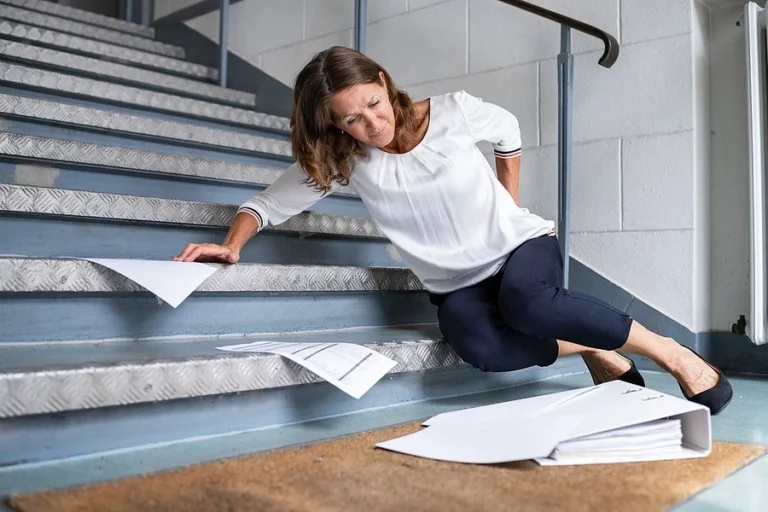
Slip and fall accidents are a common cause of injury in West Palm Beach, often leading to serious medical issues, lost wages, and emotional stress. While wet floors, uneven surfaces, and cluttered walkways are widely recognized hazards, poor lighting is an often overlooked factor that contributes significantly to these incidents. When areas are inadequately lit, it becomes harder for pedestrians to see potential dangers, increasing the likelihood of accidents.
How Poor Lighting Creates Hazards
Poor lighting can exist in various forms. Outdoor spaces like parking lots, sidewalks, and building entrances may have insufficient illumination. Indoor areas such as hallways, stairwells, and lobbies can also suffer from dim lighting or burned-out bulbs. The impact of these conditions is not limited to nighttime or evening hours; shadows, glare, or uneven lighting during the day can create hazards as well.
One of the main ways poor lighting contributes to slip and fall accidents is by reducing visibility. When a person cannot clearly see a step, a curb, or a spill, their risk of tripping increases. Even small obstacles, such as a misplaced rug or a minor puddle, can lead to a fall if they are not visible in dim conditions. The human eye relies on contrast to detect changes in surface level and texture, and poor lighting reduces this contrast, making hazards harder to identify.
The Danger of Stairs and Indoor Walkways
Stairways are particularly dangerous in low-light conditions. Each step requires a person to judge depth and distance accurately. Inadequate lighting can distort perception, causing missteps or slips. Falls on stairs account for a significant percentage of injuries in both residential and commercial settings. Businesses and property owners have a responsibility to ensure that stairways are well lit to prevent accidents and meet safety standards.
Indoor environments are not immune to the dangers of inadequate lighting. Office buildings, retail stores, and apartment complexes often have corridors, lobbies, and utility areas that may be dimly lit. Employees, residents, and visitors may be unfamiliar with these spaces, which increases the risk of slips and falls. Even a minor drop of water or a misplaced object can become a serious hazard if it is not easily visible.
Risks in Outdoor Areas
Parking lots and walkways around commercial properties present another high-risk area. Many pedestrians are focused on moving quickly from their car to the building, especially in inclement weather or during nighttime hours. Poor lighting in these areas can hide uneven pavement, curbs, or debris. Shadows from landscaping or poorly positioned lights can create the illusion of a flat surface where one does not exist.
Legal Responsibilities of Property Owners
Property owners have a legal obligation to maintain safe premises. This includes providing adequate lighting in areas accessible to the public. Failure to address poor lighting can be considered negligence if it contributes to a slip and fall accident. For example, if a restaurant fails to repair a burned-out light in a hallway, and a patron falls as a result, the business may be held liable for injuries. Legal claims in these cases often focus on whether the property owner knew, or should have known, about the lighting hazard and failed to take reasonable steps to correct it.
Preventing Accidents with Proper Lighting
Addressing poor lighting requires more than simply installing a few extra fixtures. Proper placement, brightness, and maintenance are all critical factors. Lights should be positioned to eliminate shadows, evenly illuminate walkways, and highlight changes in elevation. Regular inspections and prompt replacement of burned-out bulbs are necessary to ensure that lighting remains effective over time. Motion-sensor lights can also improve safety in areas with sporadic traffic, automatically brightening spaces when people are present.
The Consequences of Slip and Fall Injuries
Slip and fall accidents caused by poor lighting can have serious consequences. Injuries may range from minor bruises to fractures, sprains, and head injuries. In some cases, victims may require surgery or long-term rehabilitation. Beyond physical harm, these accidents can result in lost wages, medical bills, and emotional distress. Legal action can help injured parties recover compensation for medical expenses, lost income, and pain and suffering.
Steps to Reduce Risks
Preventing accidents related to poor lighting involves cooperation between property owners, managers, and the community. Reporting areas that are inadequately lit can prompt property owners to take corrective action. Pedestrians should exercise caution when navigating dimly lit areas and consider carrying a flashlight or using a phone’s light in particularly dark spaces. Businesses and property managers should include lighting checks in their regular safety audits to identify potential hazards before they cause harm.
In West Palm Beach, where pedestrian traffic is high and nightlife is vibrant, the risk of slip and fall accidents due to poor lighting is especially relevant. The combination of busy streets, commercial areas, and residential properties requires consistent attention to lighting safety. Legal professionals often see cases where insufficient lighting played a key role in the accident, and understanding this factor is essential for both prevention and recovery.
Conclusion
Poor lighting is a significant but often overlooked contributor to slip and fall accidents. Reduced visibility, distorted perception of surfaces, and the inability to detect hazards can lead to serious injuries. Property owners must maintain adequate lighting to protect the public, and pedestrians should remain alert in dimly lit areas.
If you or a loved one has been injured due to poor lighting on someone else’s property, consulting with a West Palm Beach personal injury lawyer can help you understand your rights and pursue compensation. Taking action ensures that unsafe conditions are addressed and that victims are supported during their recovery.

John Pape is the Managing Partner at Weston & Pape and has more than 30 years of experience representing injured clients across Florida. A summa cum laude graduate of the University of Miami School of Law, he has devoted his entire career to personal injury cases, including motor-vehicle accidents, wrongful death, and nursing-home neglect. Recognized by Verdict7, The National Trial Lawyers Top 100, and Premier Lawyers of America, John is known for his thorough preparation and commitment to achieving meaningful results for his clients.

 Call Us Today - It's Free