Hit-and-Run Pedestrian Accidents in West Palm Beach: Your Legal Options

Being struck by a vehicle is frightening enough, but when the driver flees the scene, victims are often left with more questions than answers. Hit-and-run pedestrian accidents happen throughout West Palm Beach, and they can create legal and practical challenges that differ from accidents where the driver remains at the scene. Florida law requires drivers involved in crashes that cause injuries to stop and remain at the scene, so leaving does not eliminate the driver’s potential responsibility if they are later identified.
For injured pedestrians, the immediate concerns are usually medical care, identifying the vehicle, and determining how to pay for treatment. Insurance coverage may also become more complicated when the at-fault driver cannot be located. Understanding what to do after a hit-and-run can help protect your health, preserve evidence, and identify potential sources of compensation.
Why Hit-and-Run Accidents Happen
Fear and Panic in the Moment
Some drivers flee the scene because they panic after realizing they have struck a pedestrian. The shock of a collision may cause a driver to make an impulsive decision rather than stay and provide the information and assistance required by law. However, panic does not excuse leaving an injured person behind.
Florida law requires a driver involved in a crash resulting in injury to stop at the scene, or as close to it as possible, and remain there while fulfilling the applicable requirements. The consequences can become more serious when a crash involves serious bodily injury or death.
Attempts to Avoid Consequences
Other drivers may leave because they are concerned about the consequences of being identified. For example, a driver may be impaired, uninsured, unlicensed, or aware that they were violating traffic laws before the collision. A driver may also fear increased insurance rates, criminal charges, or other consequences.
Regardless of the reason, leaving the scene does not erase the driver’s potential liability for injuries caused by the collision. If law enforcement later identifies the vehicle and driver, the circumstances surrounding the crash can become important to both the criminal investigation and a potential civil claim.
Steps to Take Immediately After the Accident
Prioritizing Safety and Medical Care
The first priority after a pedestrian accident should be getting to a safe location and obtaining medical attention. If you are seriously injured, avoid trying to chase after or follow the vehicle. Instead, call 911 and allow emergency personnel to respond.
Even when injuries do not initially appear severe, a medical evaluation can be important. Some injuries may not become obvious until hours or days after a collision. A pedestrian may experience symptoms from a head injury, soft-tissue injury, fracture, or internal injury after the initial shock has worn off.
Prompt medical care also creates documentation of the injuries and treatment associated with the accident. Keep records of emergency treatment, follow-up appointments, prescriptions, diagnostic testing, and other accident-related medical expenses.
Gathering Available Information
If you are physically able to do so, try to preserve as much information about the vehicle and collision as possible. Even a partial description may help investigators. Useful details can include the vehicle’s color, make, model, approximate year, direction of travel, and any portion of the license plate that you remember.
Witnesses can also provide valuable information. Ask people who saw the accident whether they noticed the vehicle or captured photographs or video. Nearby businesses, residences, parking facilities, and traffic-control systems may have surveillance footage that could help establish what happened or identify the vehicle.
Avoid putting yourself in danger while attempting to gather evidence. Your safety should come first. If possible, photographs of the accident scene, your injuries, damaged personal property, roadway conditions, traffic signals, and nearby signs may also become useful later.
You should also report the accident to law enforcement as soon as possible. A police report provides an official record of the incident and gives investigators information they can use when attempting to locate the driver.
Pursuing Compensation When the Driver Isn’t Found
Uninsured Motorist Coverage
A hit-and-run does not necessarily mean that an injured pedestrian has no insurance options. Depending on the circumstances and the terms of the applicable policy, uninsured motorist coverage may provide a potential source of compensation when the at-fault driver cannot be identified.
Florida law requires certain motor vehicle insurance policies to include uninsured motorist coverage unless it has been properly rejected, subject to the requirements and exceptions in the statute. Florida law also addresses situations in which the injured person was not occupying a vehicle at the time of the accident, allowing an insured pedestrian to potentially access applicable uninsured motorist coverage under a policy.
This makes it important to review all potentially applicable insurance policies rather than assuming that coverage is unavailable simply because the pedestrian was on foot. Depending on the circumstances, a person’s own automobile policy or coverage available through a resident family member may need to be examined.
Insurance claims can become complicated when the driver is unidentified. Insurers may investigate whether the accident occurred, whether the unidentified vehicle was responsible, and whether the claimant’s injuries meet the requirements of the policy. The specific language of the policy and the facts surrounding the collision can affect what coverage is available.
Working With Law Enforcement
Filing a police report is an important step after a hit-and-run pedestrian accident. Law enforcement may be able to investigate witness statements, surveillance footage, vehicle descriptions, and other evidence that could help identify the driver.
A police report can also provide documentation for an insurance claim. The Florida Department of Highway Safety and Motor Vehicles provides information and forms relating to crash reporting requirements. The circumstances of an injury crash can determine what reporting obligations apply.
If the driver is eventually located, additional legal options may become available. Identifying the driver can make it possible to pursue a claim against the driver’s applicable liability insurance and, depending on the circumstances, seek compensation directly from responsible parties. The fact that the driver initially fled the scene does not by itself determine the outcome of a later civil claim.
It is also important not to assume that an insurance company will automatically provide everything needed to cover your losses. Medical expenses, lost income, future treatment and the nature and extent of your injuries may all need to be evaluated when determining the value of a claim.
Moving Forward After a Hit-and-Run
Hit-and-run pedestrian accidents can leave victims feeling like they have no path forward, particularly when the driver disappears before providing insurance information or accepting responsibility. However, the absence of an identified driver does not necessarily mean that no compensation is available. Depending on the circumstances, police investigation and insurance coverage may provide potential avenues for recovering damages.
The steps taken in the hours and days following the collision can also matter. Seeking medical attention, reporting the accident, preserving available evidence, and reviewing applicable insurance policies can help protect your interests while the investigation continues.
Weston & Pape is a personal injury law firm serving West Palm Beach. Our team can help pedestrians understand their options after a hit-and-run accident, including potential insurance coverage and the evidence that may be needed to support a claim.
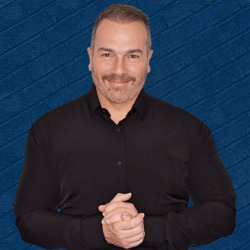
John Pape is the Managing Partner at Weston & Pape and has more than 30 years of experience representing injured clients across Florida. A summa cum laude graduate of the University of Miami School of Law, he has devoted his entire career to personal injury cases, including motor-vehicle accidents, wrongful death, and nursing-home neglect. Recognized by Verdict7, The National Trial Lawyers Top 100, and Premier Lawyers of America, John is known for his thorough preparation and commitment to achieving meaningful results for his clients.

 Call Us Today - It's Free