The Emotional Impact of Car Accidents and Seeking Pain and Suffering Damages in West Palm Beach
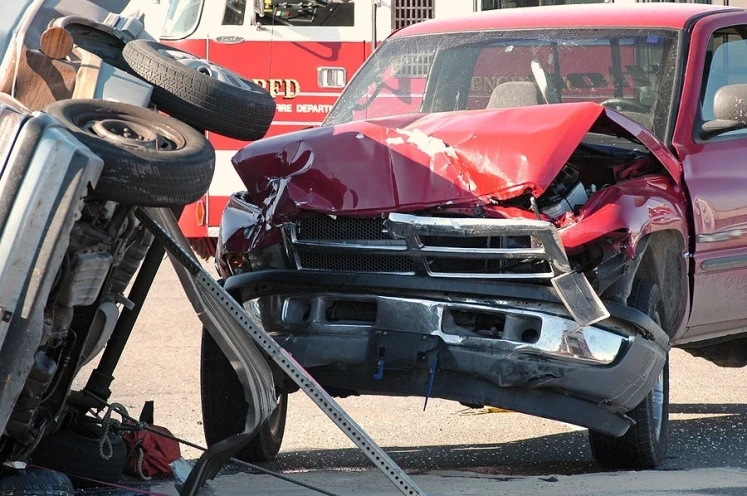
Car accidents in West Palm Beach often leave more than visible damage. A collision can disrupt routines, limit mobility, and create financial strain, but the emotional effects can be just as serious. Many people associate accident injuries with broken bones, surgeries, or rehabilitation, yet emotional distress can linger long after the physical wounds heal. This side of recovery is often overlooked, but it plays a critical role in a person’s ability to return to daily life.
Accident victims can struggle with fear, anxiety, frustration, and disrupted sleep. Some live with recurring memories of the moment of impact. Others withdraw from hobbies or avoid situations that remind them of the crash. When these experiences affect quality of life, they may qualify for pain and suffering damages under Florida law. Understanding how emotional harm develops, how it is proven, and how compensation works is essential for anyone pursuing an injury claim.
How Emotional Trauma Develops After a Car Crash
The mind reacts to trauma in a variety of ways. Even when a crash is described as “minor” by insurance adjusters, the person involved may experience lasting emotional reactions. A sudden impact can trigger a stress response that affects the body long after the event. This response can alter sleep, appetite, energy levels, and concentration.
Some of the most common psychological effects after a collision include:
Anxiety and fear
Many accident victims develop anxiety when riding in a car. Some hesitate to drive again, especially in similar conditions. This fear may appear immediately or grow over time.
Mood changes
Irritability, sadness, and frustration are common. Injuries that limit independence can worsen these feelings. Being unable to work, exercise, or handle routine tasks can add stress to an already difficult situation.
Sleep disturbances
Trouble sleeping, nightmares, or waking up suddenly are frequent complaints. Without proper rest, emotional recovery becomes even more challenging.
Post-traumatic stress
Some victims develop symptoms similar to post-traumatic stress disorder. These can include flashbacks, physical tension, panic attacks, or avoidance of certain roads and intersections.
Loss of enjoyment
Activities that once brought happiness may feel unappealing. Pain, fatigue, or anxiety can make it harder to socialize, travel, or spend time outdoors.
While the severity of symptoms varies, emotional trauma can interfere with relationships, work, and daily living. These effects deserve recognition in a legal claim just as much as physical injuries.
The Importance of Acknowledging Emotional Harm
Insurance companies often focus heavily on physical injuries. They rely on medical records, imaging results, and treatment plans to assess value. Emotional trauma does not show up on an X-ray, and this makes it easier for insurers to minimize or question it.
Yet emotional harm impacts a person’s life in very real ways. Someone who can no longer drive due to fear may struggle to commute to work. A person who loses sleep may be unable to focus on their job. A parent with severe anxiety may find it harder to care for their children or participate in school activities.
Recognizing emotional injuries is important because they can extend recovery time, may lead to additional medical treatment, can reduce earning capacity, affect personal relationships, and create long-term lifestyle changes.
Addressing emotional distress early allows victims to access mental health care, document their symptoms, and strengthen their injury claims. It also helps them rebuild confidence and regain control of their daily lives.
How Florida Law Treats Pain and Suffering Damages
Florida allows injured individuals to pursue non-economic damages in certain accident claims. These damages cover the emotional and psychological consequences of a crash. In West Palm Beach, pain and suffering compensation may be available when the victim’s injuries meet the legal threshold for serious harm.
Pain and suffering damages typically include emotional distress, anxiety or depression, loss of enjoyment of life, sleep disruption, inconvenience and lifestyle changes, and mental anguish resulting from long-term injuries.
Because these losses do not have a clear financial value, they are harder to calculate. The law requires proof that emotional distress is real, significant, and linked to the accident.
Proving the Emotional Impact of a Car Accident
A strong legal claim requires evidence. Emotional distress can be challenging to document, but the right approach helps establish credibility. Victims in West Palm Beach can strengthen their case through several methods.
Mental health treatment records
Therapist notes, counseling sessions, and psychological evaluations provide clear documentation of symptoms and their progression. These records help demonstrate the legitimacy of the emotional harm.
Statements from family and friends
Loved ones often notice changes in behavior, mood, or daily routines. Their observations can support the victim’s account.
Personal journals
Many people record their struggles, fears, or setbacks during recovery. A journal creates a timeline that shows how the emotional toll has evolved.
Medical documentation
Doctors often note anxiety, sleep issues, or mood symptoms during checkups. These observations help establish a connection between the crash and the victim’s emotional state.
Evidence of lifestyle changes
Missed workdays, social withdrawal, canceled plans, or reduced participation in hobbies all show the impact of emotional trauma.
When combined, this evidence offers a clear picture of how the accident affected the victim’s daily life and long-term well-being.
Why Insurance Companies Challenge Emotional Trauma Claims
Insurance companies often push back on pain and suffering claims because they involve subjective experiences. Unlike medical bills or lost wages, emotional losses do not have fixed numbers. This makes it easier for insurers to reduce or deny compensation.
Common strategies include suggesting the victim is exaggerating symptoms, arguing that emotional distress existed before the accident, claiming the injuries were too minor to cause significant trauma, questioning the need for therapy, and minimizing long-term impact.
Without strong representation, many victims struggle to counter these arguments. A personal injury lawyer understands the tactics insurers use and helps build a case that reflects the full scope of the victim’s suffering.
How a Lawyer Supports a Pain and Suffering Claim in West Palm Beach
Legal representation can make a meaningful difference in the outcome of a pain and suffering claim. A lawyer evaluates the facts of the case, gathers evidence, and presents a detailed account of the victim’s emotional losses.
Some of the ways an attorney can help include identifying qualifying injuries under Florida law, documenting the emotional and psychological effects of the crash, working with mental health professionals, calculating appropriate compensation, negotiating with insurance companies, and preparing the case for trial when necessary.
By guiding the process, an attorney protects the victim’s rights and ensures their emotional trauma is not overlooked.
Steps Victims Can Take to Protect Their Emotional Injury Claim
Those dealing with the emotional aftermath of a crash can take practical steps to strengthen their claim. Seek medical and mental health care early, follow all treatment recommendations, keep a record of symptoms and daily challenges, avoid downplaying emotional difficulties when speaking with providers, limit interactions with insurance adjusters, and contact a personal injury lawyer as soon as possible.
These steps help create a clear and consistent record of the victim’s experience, which is critical when pursuing non-economic damages.
Conclusion
Recovery after a car accident is not always straightforward. Many people in West Palm Beach feel frustrated when physical injuries heal faster than emotional ones. Others feel isolated because their psychological symptoms are not as visible to the outside world. Acknowledging these struggles is the first step toward rebuilding stability.
Emotional trauma is not a weakness, nor is it something a person can simply push through. It is a genuine consequence of a frightening and unexpected event. Victims deserve compassion, support, and proper compensation for what they endure.
If someone is dealing with fear, anxiety, or overwhelming stress after a crash, they should know they are not alone. Help is available, and legal options exist to recover damages for these losses. With the right guidance, victims can navigate the claims process and work toward a more secure and confident future.

John Pape is the Managing Partner at Weston & Pape and has more than 30 years of experience representing injured clients across Florida. A summa cum laude graduate of the University of Miami School of Law, he has devoted his entire career to personal injury cases, including motor-vehicle accidents, wrongful death, and nursing-home neglect. Recognized by Verdict7, The National Trial Lawyers Top 100, and Premier Lawyers of America, John is known for his thorough preparation and commitment to achieving meaningful results for his clients.

 Call Us Today - It's Free