Comparative Fault in West Palm Beach Car Accident Cases: What You Should Know
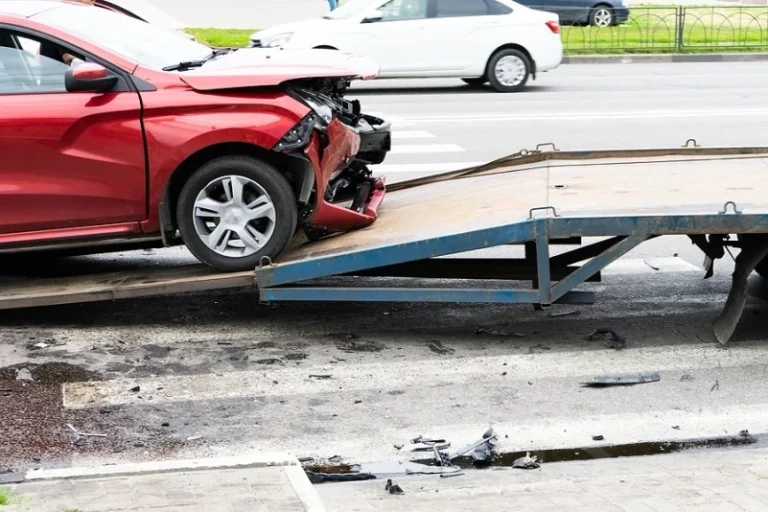
Car accidents happen fast, but the aftermath moves slowly. Injured victims must deal with medical appointments, insurance calls, and unexpected expenses that strain daily life. In West Palm Beach, another layer often complicates the process. That layer is shared responsibility, also known as comparative fault. It determines how much compensation a person can recover when both parties played some part in the crash. Many people are surprised to learn how heavily this rule influences a claim. A small mistake can reduce compensation significantly, and understanding how the system works is essential for anyone pursuing a personal injury case.
Florida follows a modified comparative fault system. This rule places limits on compensation when the injured person holds a percentage of blame. Although the concept seems straightforward, the way it plays out is rarely simple. Insurance adjusters, defense attorneys, and investigators all use comparative fault to minimize payouts. Because of this, injured victims need to know how the rule works before they speak to anyone about their case.
How Comparative Fault Works in Florida
Under the modified comparative fault rule, an injured person can only recover compensation if they are 50 percent or less responsible for the crash. If they are 51 percent or more at fault, they lose the right to recover damages entirely. This shift in Florida’s law makes accurate fault assessment more important than ever.
When a case moves forward, each party’s percentage of blame is evaluated. The final number directly affects the amount of compensation available. If a driver is found 20 percent at fault, their compensation is reduced by that same percentage. This applies to medical bills, lost income, pain and suffering, and other damages.
Determining this percentage requires evidence. Police reports, witness statements, photographs, and expert analysis all play a role. Insurance companies typically interpret the rule in the strictest way possible because minimizing fault increases their bottom line. That is why accident victims should be cautious when speaking with adjusters. Innocent comments may be taken as admissions of fault, even when they were not intended that way.
Common Actions That Affect Fault in West Palm Beach Crashes
Florida’s roads are busy, and West Palm Beach’s mix of local traffic, commuters, and tourists creates an environment where accidents happen in many ways. Certain actions regularly influence fault assessments.
Speeding is at the top of the list. Even driving slightly above the limit may shift some responsibility to the injured driver. Failure to yield is another common issue, especially at busy intersections. Texting while driving also increases fault because distracted driving is a known contributor to crashes.
Weather conditions influence these assessments too. Heavy rain, standing water, and reduced visibility can increase the chance of insurance companies blaming the injured driver for not adjusting their speed. Insurers often argue that a driver should have slowed down or taken extra precautions, even when another person caused the collision.
In some cases, multiple drivers share responsibility. For instance, if one driver makes an illegal turn and another is speeding, both actions may contribute to the accident. The comparative fault calculation then becomes more detailed, requiring greater evidence and expert support.
Why Insurance Companies Use Comparative Fault to Reduce Claims
Insurance companies exist to turn profits. Their strategies are designed to limit payouts as much as possible, and comparative fault gives them a powerful tool to do that. Adjusters often try to assign blame quickly before the injured person has time to gather evidence. They may request recorded statements or ask questions in ways that encourage self-blame.
Some adjusters reference traffic laws in misleading ways. Others imply that the injured driver should have reacted differently, even when the situation gave them little time to respond. These tactics are common because even a small percentage of fault can reduce the amount of compensation they must pay.
In more complex cases, insurers hire accident reconstruction experts to support their claims. These experts may present findings that shift blame toward the injured person. Victims who do not understand how comparative fault works may feel pressured to accept lower settlements or admit fault that does not accurately reflect what happened.
Evidence That Helps Protect Car Accident Claims
Because shared responsibility plays such a large role, gathering strong evidence is one of the most important steps after a crash. This begins at the scene. Photographs of vehicle damage, skid marks, traffic signals, and weather conditions provide helpful context. Witnesses can also provide neutral accounts of how the accident occurred.
Medical records contribute to both injury documentation and fault analysis. Seeking treatment immediately is essential because delays can raise doubts about the severity or cause of injuries. Many insurers argue that injuries must not be related to the crash if the victim waited too long to see a doctor.
Dashcam footage has become more common in West Palm Beach and can offer clear insight into how the accident unfolded. Traffic cameras and nearby security systems may capture footage as well. These recordings help counter inaccurate statements or claims from the other party.
Expert testimony also matters. Accident reconstruction specialists, mechanical experts, and medical professionals each help clarify the facts behind the crash. Their input can strengthen a claim when insurers attempt to shift blame unfairly.
How Comparative Fault Affects Different Types of Damages
Compensation in car accident claims often includes medical expenses, lost wages, future medical needs, property damage, and pain and suffering. Comparative fault affects each category differently because the reduction applies to the total value of the claim.
If a driver accumulates $50,000 in medical bills and is found 10 percent at fault, their compensation decreases by $5,000. The same reduction applies to lost income and other economic losses. Noneconomic damages, including pain and suffering, emotional distress, and reduced quality of life, are also affected.
This reduction can have long-term consequences. A person who sustains permanent injuries may need ongoing therapy or significant future care. Even a small shift in fault can reduce compensation that would otherwise help support those needs.
Because of this, calculating total damages accurately is a critical step. In many cases, victims underestimate future costs, especially when they assume they will recover quickly. Medical experts help clarify long-term impacts, and attorneys ensure every category of loss is included before negotiations begin.
Steps Victims Should Take to Protect Their Right to Compensation
The actions taken in the first hours and days after a crash significantly affect how comparative fault is applied later. Victims should prioritize medical care. They should also avoid discussing the accident with the other driver beyond exchanging information. Statements like “I didn’t see you” or “I’m sorry” can be misinterpreted as fault admissions.
Speaking with insurance adjusters should wait until the victim has legal representation. Attorneys handle these communications to prevent misstatements and protect the integrity of the claim.
Preserving evidence is another essential step. Photos, witness contact information, medical records, repair estimates, and insurance documents all help establish credibility and accuracy.
Victims should also avoid posting about the accident on social media. Even simple posts may be twisted to imply carelessness or conflicting accounts.
The Importance of Legal Representation in Shared Fault Cases
When comparative fault becomes an issue, legal representation often becomes the deciding factor in whether a claim succeeds. Attorneys understand how insurers assign blame and know how to counter these strategies effectively.
They gather evidence, consult experts, and build a case that demonstrates the other party’s negligence. They also calculate damages fully to avoid premature or unfair settlement offers. In West Palm Beach, the stakes are high because Florida bars compensation when a victim is more than 50 percent at fault. This makes accurate fault assessment essential. A lawyer’s role includes presenting the injured person’s actions fairly and making sure the other party’s negligence is clearly shown.
Conclusion
Shared responsibility can feel overwhelming for anyone recovering from a car accident. The system is complex, and insurers often take advantage of that complexity. Understanding how comparative fault works in West Palm Beach helps victims stay informed and better prepared for what comes next.
With solid evidence, careful documentation, and support from a personal injury lawyer, victims can protect their rights and pursue the compensation they need to move forward.

John Pape is the Managing Partner at Weston & Pape and has more than 30 years of experience representing injured clients across Florida. A summa cum laude graduate of the University of Miami School of Law, he has devoted his entire career to personal injury cases, including motor-vehicle accidents, wrongful death, and nursing-home neglect. Recognized by Verdict7, The National Trial Lawyers Top 100, and Premier Lawyers of America, John is known for his thorough preparation and commitment to achieving meaningful results for his clients.

 Call Us Today - It's Free